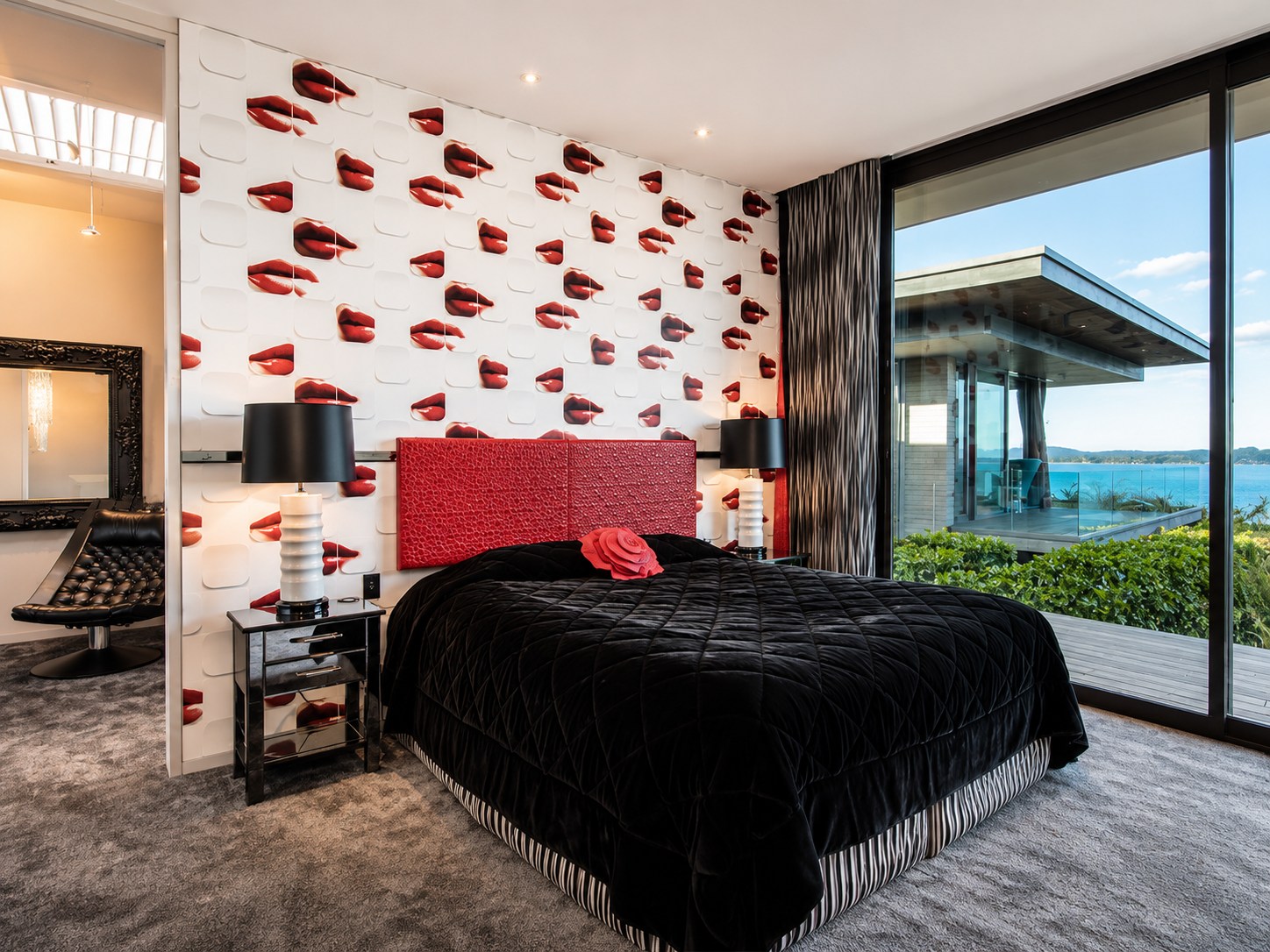
A recent project set me a familiar puzzle. The site was right on the coast, in high salt air. The clients loved the look of traditional timber joinery, but they also wanted double glazing and a window they would never have to nurse. Those two wants pull in opposite directions, and getting them to meet is most of the job.
Near the sea you learn quickly that salt makes a lot of the decisions for you. It's relentless. It gets into everything, and it will find the weak point in any window before you've finished unpacking. So the starting question was never really "timber or aluminium." On an exposed coastal site, that answer is usually made for you. The real question was how to get the heritage look the clients wanted out of a material that could actually survive there.
Why the salt air decides for you
Timber joinery on the coast is a commitment. It wants sanding, sealing and repainting on a cycle that never really ends, and the moment you fall behind, the salt is through the paint and into the frame. For a holiday home or a lock-up-and-leave, that's a maintenance bill and a worry you don't want. Double glazing matters here too, and not only for warmth. On the coast it takes the edge off the wind noise, cuts condensation, and makes a big glassy room comfortable to actually sit in.
On the coast you're not really choosing a window. You're choosing how many weekends you're prepared to give it for the next twenty years.
Getting the heritage look out of aluminium
This is where it comes right. We used an architectural series in a wide-width profile, finished in white. That combination is the trick. The wider sections give you the presence and proportion that make a window read as considered rather than builder-standard, and white joinery carries a softness and a nod to painted timber that a raw metal finish never will. Done well, from inside the room it holds the character the clients were after, while outside it's quietly getting on with the job of resisting the sea.
The practical wins
Then you get the advantages that made aluminium the sensible call in the first place. No maintenance to speak of, which on a coastal property is worth its weight. The functionality is better day to day: the units open and close cleanly for years, and you can run fly screens, which anyone who has spent a still summer evening near the water will tell you is not a small thing.
We used sliding sections through the main living spaces. Sliders suit a coastal home. They open the room to the view and the deck without swinging doors fighting the wind, and the wide-width sightlines mean more glass and less frame, so the outlook does the talking.
The lesson I'd pass on is a simple one. Don't treat "practical" and "beautiful" as a choice you have to make. On a hard site like the coast, the practical material almost always exists in a version that can be made to look right. The work is in choosing the profile, the width and the colour with the same care you'd give any other part of the room.